STER (Submucosal Tunneling Endoscopic Resection)
STER enables complete tumor removal through the mouth without any external incisions, offering a safer and less invasive alternative to traditional surgery.
Advanced Minimally Invasive Treatment for Subepithelial Gastrointestinal Tumors
Submucosal Tunnelling Endoscopic Resection (STER) is an advanced endoscopic procedure used to remove tumors that develop beneath the inner lining of the gastrointestinal (GI) tract. It is particularly effective for tumors located in the oesophagus, stomach, and upper part of the small intestine.
STER enables complete tumor removal through the mouth without any external incisions, offering a safer and less invasive alternative to traditional surgery.
Conditions Treated with STER
STER is commonly performed for:
- Leiomyomas (benign smooth muscle tumors)
- Gastrointestinal Stromal Tumors (GISTs)
- Other subepithelial tumors arising from the muscular layer of the GI tract
- Benign or potentially cancerous lesions confined to the digestive tract wall
Why is STER Recommended?
Dr. Dipak may recommend STER if:
- A tumor is located beneath the lining of the oesophagus or stomach.
- The lesion is increasing in size.
- The tumor is causing symptoms such as difficulty swallowing, discomfort, or pain.
- Tissue diagnosis and complete removal are required.
- Conventional surgery would be more invasive.
STER allows effective treatment while preserving the natural anatomy and function of the digestive system.
How is the STER Procedure Performed?
- The procedure is performed under general anaesthesia.
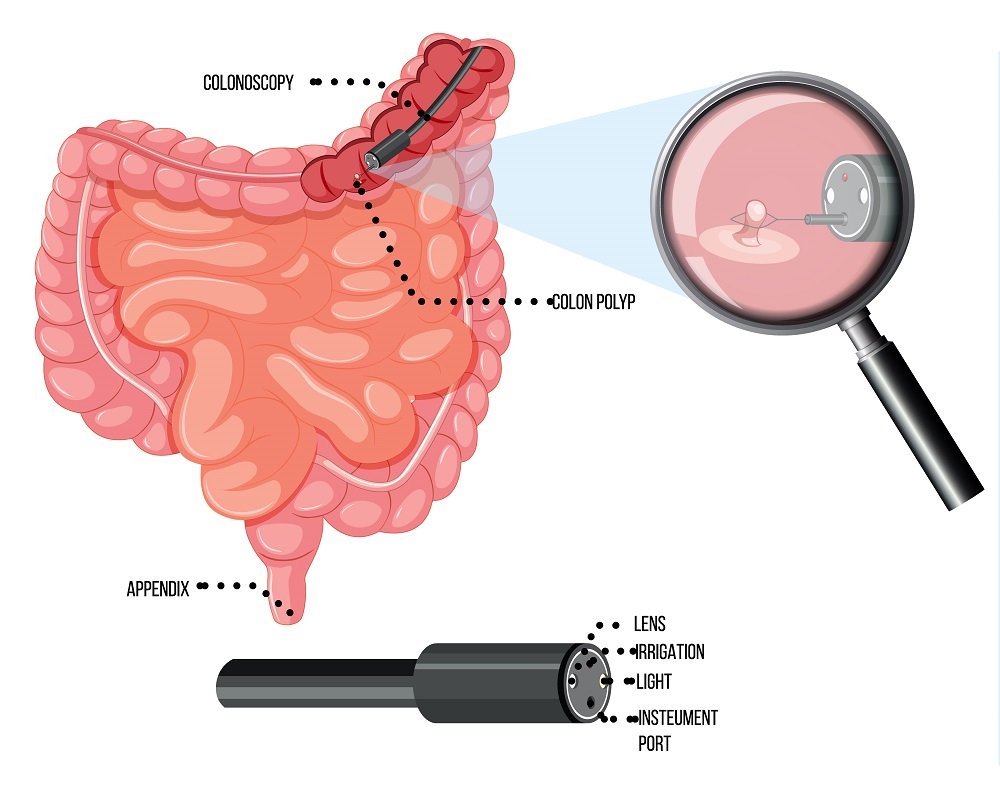
- A flexible endoscope is passed through the mouth into the digestive tract.
- A small opening is created in the inner lining (mucosa).
- A tunnel is carefully made beneath the lining to reach the tumor.
- The tumor is dissected and completely removed through the tunnel.
- The entry site is securely closed using endoscopic clips.
The clips naturally detach and pass out of the body over time.
Benefits of STER
- No external cuts or surgical scars
- Minimally invasive approach
- Complete removal of deep-seated tumors
- Faster recovery and shorter hospital stay
- Reduced postoperative pain
- Preservation of normal GI tract structure and function
- Lower risk of complications compared to conventional surgery
Potential Risks and Complications
Although STER is generally safe, certain risks may occur:
| Risk | Description |
|---|---|
| Bleeding | Usually mild and controlled during the procedure. |
| Perforation | Rare tear in the GI wall that may require additional treatment. |
| Infection | Uncommon; preventive antibiotics are usually administered. |
| Gas-related Symptoms | Temporary bloating, chest discomfort, or trapped air. |
| Stricture Formation | Rare narrowing of the digestive tract requiring further treatment. |
| Incomplete Removal | Rare cases may require follow-up evaluation or additional treatment. |
Recovery After STER
Following the procedure:
- Patients are typically observed in the hospital for 1–2 days.
- A liquid diet is started initially and gradually advanced to soft and regular foods.
- Antibiotics may be prescribed to prevent infection.
- Acid-suppressing medications are given to promote healing.
- Follow-up endoscopy or imaging may be recommended to confirm complete healing and tumor removal.
Most patients return to their normal activities within a few days.
Frequently Asked Questions
1. Will I have any scars after STER?
No. STER is performed entirely through the mouth and does not require any external incisions, leaving no visible scars.
2. Is STER painful?
The procedure is performed under anaesthesia, so you will not feel pain during treatment. Mild throat discomfort or bloating may occur afterward but usually resolves quickly.
3. Will the tumor come back?
Complete removal is achieved in most cases. Regular follow-up helps monitor healing and detect any recurrence early.
4. How long does recovery take?
Most patients recover rapidly and can resume routine activities within a few days, depending on the size and location of the tumor.
5. Is STER used for cancer treatment?
STER is primarily used for benign tumors and selected low-risk tumors. If cancerous changes are detected, additional treatment may be recommended.
Expert STER Treatment in Navi Mumbai
Dr. Dipak offers advanced endoscopic procedures including STER for the safe and effective treatment of subepithelial gastrointestinal tumors. Using state-of-the-art endoscopic techniques, patients benefit from minimally invasive treatment, faster recovery, and excellent clinical outcomes.
Book Your Appointment Today with Dr. Dipak B.
Take the first step towards better digestive health by booking your appointment with Dr. Dipak B.
Get trusted medical guidance and modern treatment tailored to your needs.