ERCP (Endoscopic Retrograde Cholangiopancreatography)
ERCP is an advanced endoscopic procedure used to diagnose and treat problems of the bile ducts, pancreas, and gallbladder.
What is ERCP?
ERCP is a specialized procedure used to diagnose and treat problems of the:
- Bile ducts
- Gallbladder
- Pancreatic duct
- Pancreas
It combines:
- Endoscopy (a flexible camera tube passed through the mouth)
- Fluoroscopy/X-ray imaging
Unlike a normal endoscopy, ERCP is mainly a therapeutic procedure used to remove stones, relieve blockage, place stents, or treat duct problems.
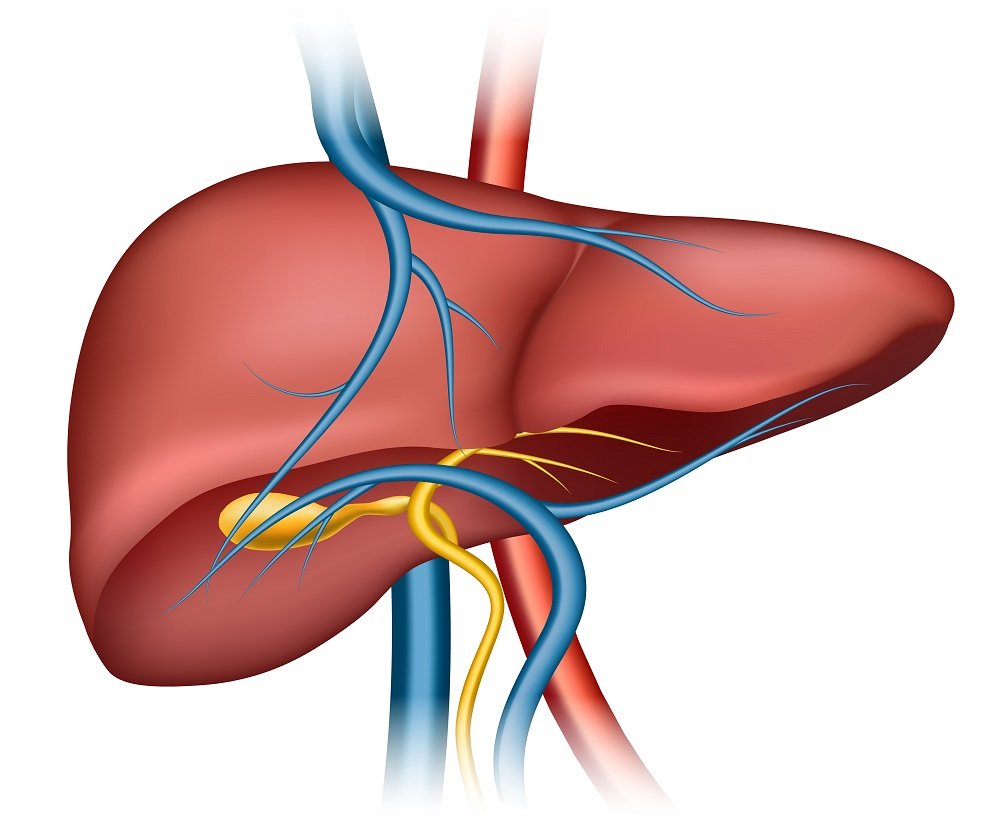
Anatomy Involved
The procedure evaluates:
- Common bile duct (CBD)
- Pancreatic duct
- Liver drainage system
- Gallbladder drainage pathway
When is ERCP Required?
Common Indications
1. Common Bile Duct Stones (Choledocholithiasis)
Most common reason for ERCP.
Symptoms:
- Severe upper abdominal pain
- Jaundice
- Fever
- Vomiting
2. Obstructive Jaundice
When bile flow is blocked due to:
- Stones
- Strictures
- Tumors
- Pancreatic disease
3. Cholangitis (Bile Duct Infection)
A medical emergency.
Symptoms:
- Fever
- Jaundice
- Abdominal pain
ERCP helps drain infected bile.
4. Bile Duct Strictures
Narrowing caused by:
- Surgery
- Chronic inflammation
- Cancer
- Pancreatitis
5. Pancreatic Duct Problems
- Chronic pancreatitis
- Pancreatic duct leak
- Pancreatic strictures
- Certain pancreatic cyst problems
6. Bile Leak
Can occur after:
- Gallbladder surgery
- Liver surgery
- Trauma
7. Tumors
Used for:
- Stent placement
- Tissue sampling
- Relieving blockage
Common cancers:
- Pancreatic cancer
- Cholangiocarcinoma
- Ampullary tumors
Symptoms That May Need ERCP
- Yellow discoloration of eyes/skin
- Severe abdominal pain
- Fever with jaundice
- Recurrent pancreatitis
- Dilated bile duct on ultrasound
- Abnormal liver function tests
- Persistent vomiting due to biliary obstruction
Investigations Before ERCP
Usually advised:
- CBC
- Liver function test (LFT)
- Kidney function test (RFT)
- PT/INR
-
Viral markers:
- HIV
- HBsAg
- HCV
- ECG
- Sometimes 2D Echo in elderly/high-risk patients
Imaging may include:
- Ultrasound abdomen
- CT scan
- MRCP
- MRI abdomen
How is ERCP Performed?
Step-by-Step Procedure
Step 1: Sedation
- Patient is given sedation or short anesthesia.
- Most patients sleep during the procedure.
Step 2: Endoscope Insertion
A flexible tube with camera is passed:
- Mouth → food pipe → stomach → duodenum
Step 3: Cannulation
A small catheter enters the bile duct opening (papilla).
Step 4: Dye Injection
Contrast dye is injected and X-rays are taken.
This shows:
- Stones
- Blockages
- Narrowing
- Leaks
Step 5: Treatment During ERCP
Depending on findings, doctor may:
- Remove stones
- Cut sphincter muscle (sphincterotomy)
- Place stent
- Dilate narrowing
- Take biopsy/brush cytology
- Drain infected bile
Common Procedures Done During ERCP
Stone Removal
ERCP Stone Extraction
Special balloons or baskets remove bile duct stones.
Stent Placement
Biliary Stents
Stents help keep ducts open when blocked.
Types:
- Plastic stents
- Metal stents
Is ERCP Painful?
Usually:
- Not painful during procedure because of sedation.
- Mild throat discomfort may occur later.
- Some abdominal bloating can happen temporarily.
Duration of Procedure
- 30 minutes to 1 hour
- Complex procedures may take longer
Recovery After ERCP
Immediately After Procedure
- Observation for few hours
- Monitoring pulse, BP, oxygen
Diet
- Liquids after recovery
- Then soft diet if stable
Hospital Stay
Depends on condition:
- Some patients go home same day
- Others require admission
Risks & Complications
Most Important Complication: Pancreatitis
ERCP Complications
Occurs in some patients after ERCP.
Symptoms:
- Severe abdominal pain
- Vomiting
- Fever
Other Complications
- Bleeding
- Infection
- Perforation
- Reaction to sedation
- Cholangitis
- Stent blockage/migration
Warning Signs After ERCP
Seek urgent medical attention if:
- Severe abdominal pain
- Fever
- Persistent vomiting
- Black stools
- Breathing difficulty
- Jaundice worsening
Who Should Avoid ERCP?
Relative contraindications:
- Unstable patients
- Severe heart/lung disease
- Uncorrected bleeding disorder
- Certain pregnancy situations
Doctor decides risk vs benefit individually.
Preparation Before ERCP
Usually advised:
- Fasting 6–8 hours
-
Inform doctor about:
- Blood thinners
- Diabetes medicines
- Allergies
- Pregnancy
- Arrange attendant after procedure
Success Rate
ERCP has a high success rate when performed by experienced gastroenterologists/endoscopists.
It is considered one of the most important life-saving procedures for bile duct obstruction and cholangitis.
Book Your Appointment Today with Dr. Dipak B.
Take the first step towards better digestive health by booking your appointment with Dr. Dipak B.
Get trusted medical guidance and modern treatment tailored to your needs.