Polypectomy
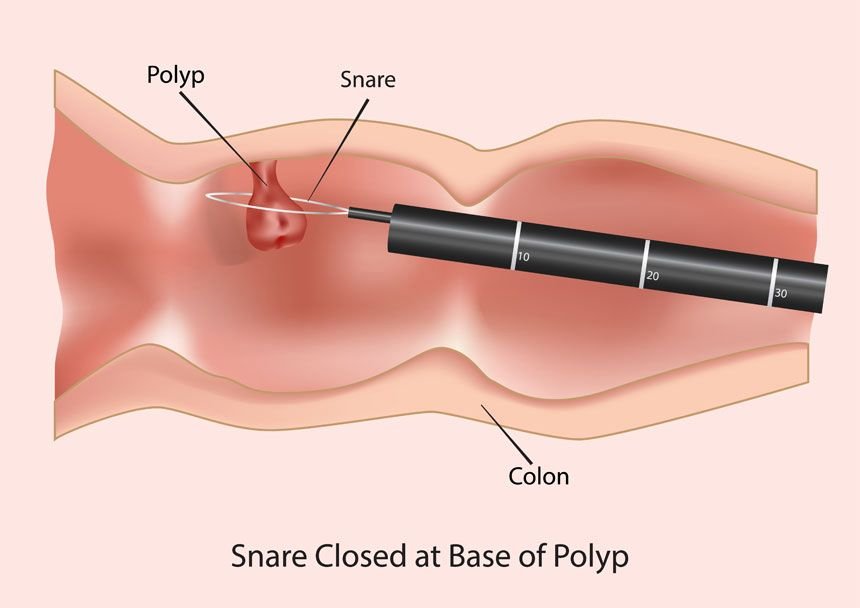
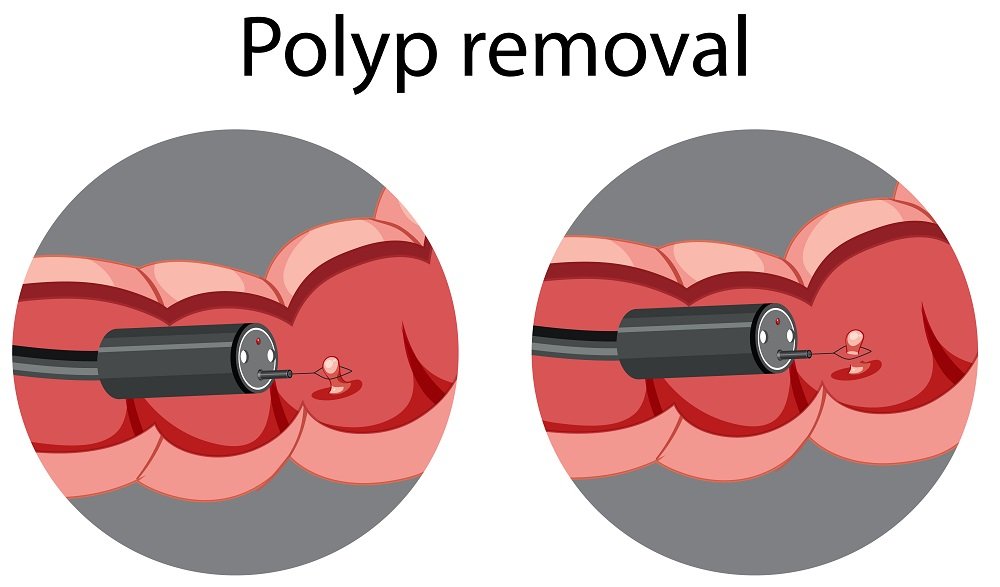
A polypectomy is a procedure used to remove an abnormal growth called a polyp from the digestive tract.
Polypectomy – Complete Details
A polypectomy is a procedure used to remove an abnormal growth called a polyp from the digestive tract.
Polyps are commonly found in the:
- Colon (most common)
- Stomach
- Esophagus
- Small intestine
It is usually performed during:
- Colonoscopy
- OGDscopy (Upper GI endoscopy)
- Sigmoidoscopy
What is a Polyp?
A polyp is a small growth arising from the inner lining of the gastrointestinal tract.
Some polyps are harmless, while others may:
- Bleed
- Cause symptoms
- Turn cancerous over time
Removing them helps prevent cancer and allows biopsy examination.
Why is Polypectomy Done?
Doctors advise polypectomy when:
- A polyp is seen during endoscopy/colonoscopy
- There is bleeding from the GI tract
- Positive stool occult blood test
- Unexplained anemia
- Change in bowel habits
- Family history of colon cancer/polyps
- Suspicious growth seen on scans
Symptoms That May Suggest Polyps
Many polyps cause no symptoms.
Possible symptoms include:
- Blood in stool
- Black stool
- Constipation or diarrhea
- Abdominal pain
- Anemia
- Weight loss
- Difficulty swallowing (esophageal polyps)
Types of Polyps
Based on Shape
-
Pedunculated polyp
- Attached with a stalk
-
Sessile polyp
- Flat and broad-based
Based on Histology
- Hyperplastic polyp
- Adenomatous polyp (precancerous)
- Inflammatory polyp
- Serrated polyp
How is Polypectomy Performed?
During Colonoscopy or Endoscopy
The procedure is usually done immediately after finding the polyp.
Methods Used
1. Cold Forceps Removal
Used for very tiny polyps.
2. Cold Snare Polypectomy
A wire loop cuts small polyps without electric current.
3. Hot Snare Polypectomy
Electric current is used to remove medium or large polyps.
4. EMR (Endoscopic Mucosal Resection)
Used for larger flat lesions.
5. ESD (Endoscopic Submucosal Dissection)
Advanced technique for large early cancers.
Is the Procedure Painful?
Usually no.
- Colon polypectomy is generally done under sedation.
- Upper GI polypectomy may use throat spray plus sedation.
- Patients usually do not feel pain during the procedure.
Afterwards, mild:
- Gas
- Cramping
- Bloating
may occur temporarily.
Preparation Before Polypectomy
For Colon Polypectomy
- Bowel preparation (PEG solution/laxatives)
- Fasting for several hours
-
Blood tests may be required:
- CBC
- PT/INR
- RFT
- Viral markers
Medicines That May Need Adjustment
Inform the doctor if taking:
- Blood thinners
- Aspirin
- Diabetes medicines
- BP medications
How Long Does it Take?
- Small polypectomy: 15–30 minutes
- Large/complex polyp removal: longer
Recovery After Polypectomy
Most patients go home the same day.
Common Temporary Symptoms
- Mild abdominal discomfort
- Small amount of blood in stool
- Gas or bloating
Recovery Time
- Usually 24–48 hours for routine procedures
Diet After Polypectomy
Initially:
- Soft, light diet
- Plenty of fluids
Avoid for a few days:
- Alcohol
- Very spicy food
- Heavy meals
If a large polyp was removed, doctors may advise:
- Low-residue diet temporarily
Possible Risks & Complications
Polypectomy is generally safe, but complications can occur.
1. Bleeding
Most common complication.
2. Perforation
Small hole in intestine/stomach wall (rare).
3. Infection
Uncommon.
4. Post-polypectomy Syndrome
Pain and fever due to thermal injury.
When to Seek Urgent Medical Help
Contact a doctor immediately if there is:
- Severe abdominal pain
- Heavy rectal bleeding
- Fever
- Vomiting
- Dizziness
- Black stools
- Difficulty breathing
What Happens to the Removed Polyp?
The polyp is sent for biopsy/histopathology to determine:
- Type of polyp
- Cancer risk
- Whether complete removal occurred
Biopsy results usually take a few days.
Follow-Up Colonoscopy
Future surveillance depends on:
- Number of polyps
- Size
- Histology
- Cancer risk
Some patients may need repeat colonoscopy in:
- 1 year
- 3 years
- 5 years
Benefits of Polypectomy
- Prevents colorectal cancer
- Stops bleeding
- Removes precancerous lesions
- Avoids surgery in many cases
- Allows early diagnosis
Important Point
Most colon cancers begin as polyps. Early detection and removal through polypectomy can significantly reduce cancer risk.
Book Your Appointment Today with Dr. Dipak B.
Take the first step towards better digestive health by booking your appointment with Dr. Dipak B.
Get trusted medical guidance and modern treatment tailored to your needs.