OGDscopy
OGDscopy (Upper GI Endoscopy)
OGDscopy, also called Upper GI Endoscopy or Gastroscopy, is a procedure used to examine the inside of the food pipe (esophagus), stomach, and first part of the small intestine (duodenum) using a thin flexible tube with a camera called an endoscope.
It helps doctors diagnose and sometimes treat problems related to the upper digestive system.
What Does OGDscopy Mean?
- O – Oesophagus (food pipe)
- G – Gastro
- D – Duodenum (first part of small intestine)
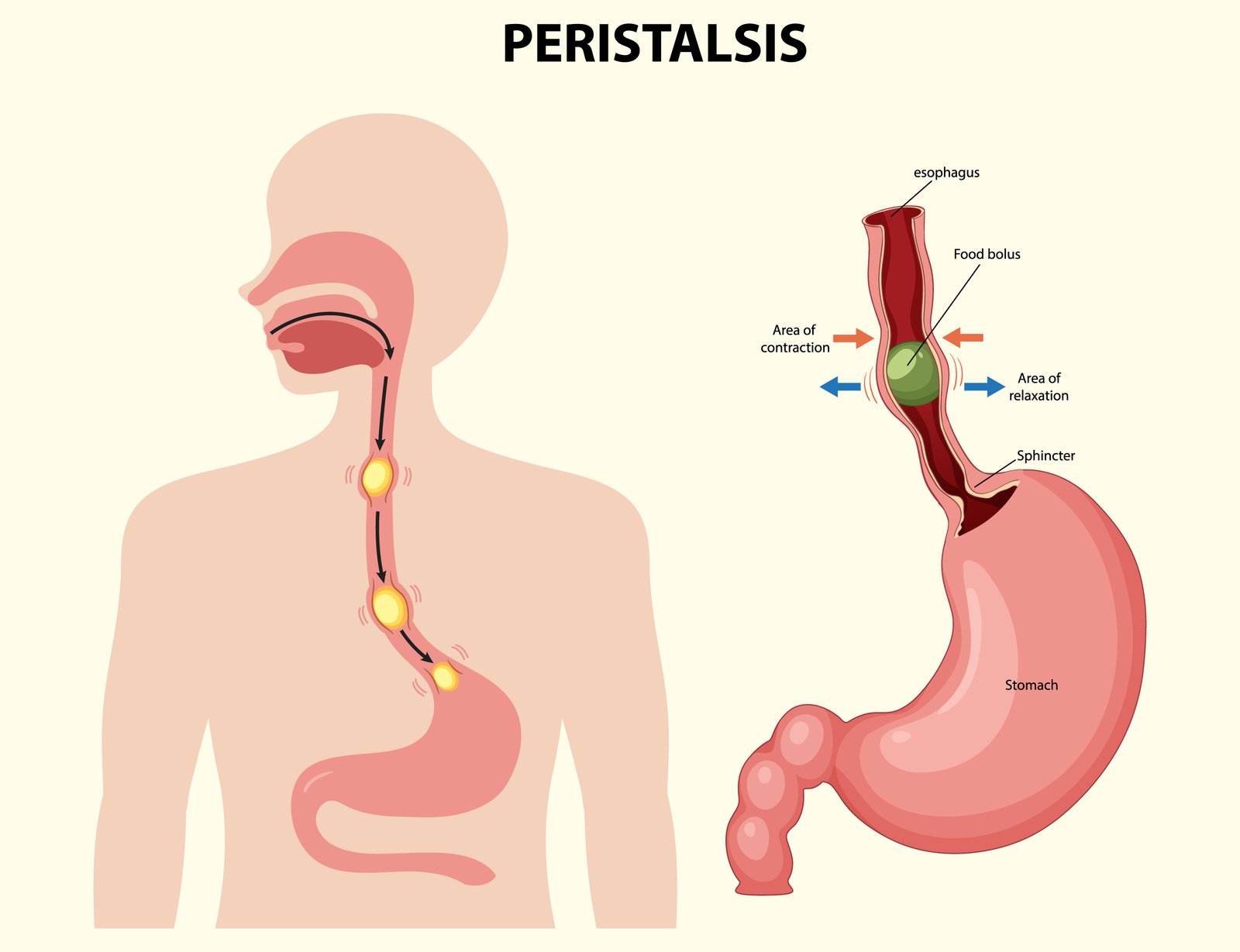
The procedure allows direct visualization of:
- Esophagus
- Stomach
- Duodenum
When Should You See a Doctor?
You should consult a gastroenterologist if you experience:
Common Symptoms
- Persistent acidity or heartburn
- Upper abdominal pain
- Burning sensation in stomach
- Difficulty swallowing
- Food getting stuck while swallowing
- Recurrent vomiting
- Nausea
- Bloating
- Indigestion
- Loss of appetite
- Unexplained weight loss
- Black stools
- Vomiting blood
- Chronic cough due to reflux
- Chest discomfort related to acidity
- Severe gastritis symptoms
Conditions Diagnosed by OGDscopy
OGDscopy helps diagnose many upper GI conditions.Esophagus Findings
- Acid reflux disease (GERD)
- Esophagitis
- Esophageal ulcers
- Esophageal strictures (narrowing)
- Barrett’s esophagus
- Esophageal varices
- Esophageal cancer
- Infection in esophagus
Stomach Findings
- Gastritis
- Stomach ulcers
- Gastric polyps
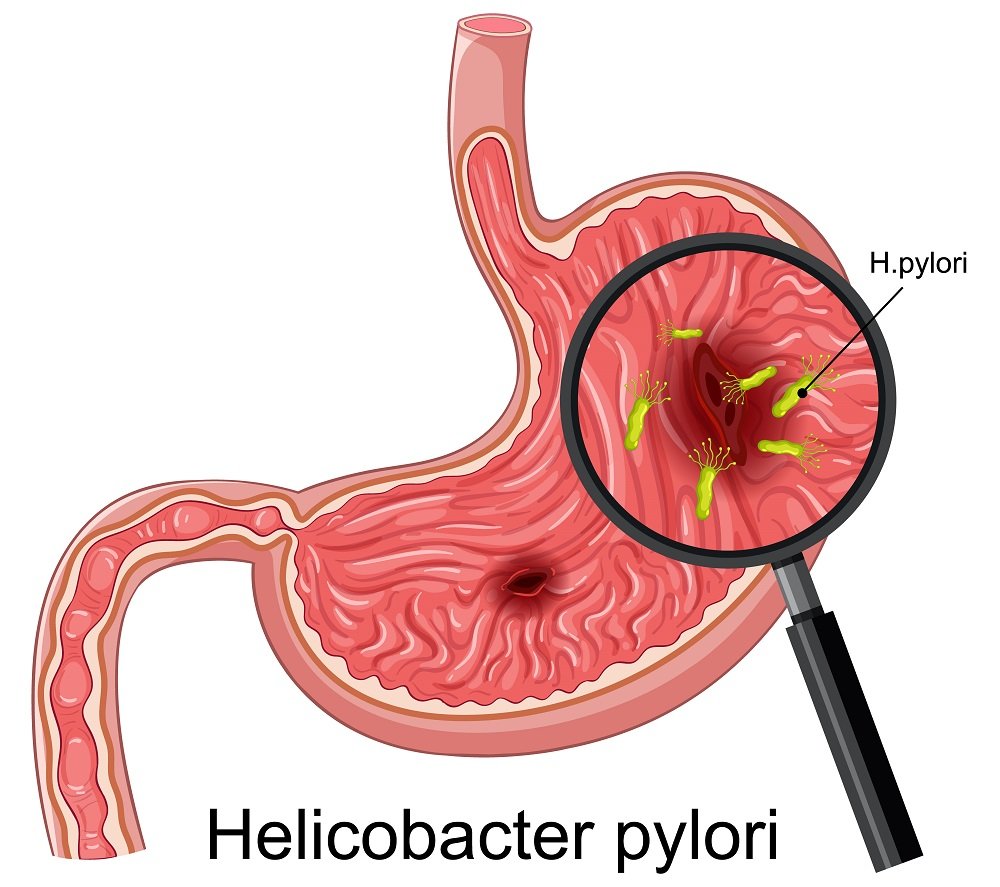
- Stomach infection like H. pylori
- Stomach bleeding
- Gastric outlet obstruction
- Stomach cancer
Duodenal Findings
- Duodenitis
- Duodenal ulcer
- Celiac disease changes
- Tumors or growths
Why Is OGDscopy Done?
Doctors advise OGDscopy to:
- Identify the cause of symptoms
- Diagnose diseases early
- Take biopsies (small tissue samples)
- Treat certain conditions during the same procedure
Emergency Warning Signs
Seek immediate medical attention if you have:
- Vomiting blood
- Black tarry stools
- Severe abdominal pain
- Sudden difficulty swallowing
- Severe dehydration due to vomiting
- Suspected internal bleeding
Conditions Diagnosed by OGDscopy
OGDscopy helps diagnose many upper GI conditions.
Esophagus Findings
- Acid reflux disease (GERD)
- Esophagitis
- Esophageal ulcers
- Esophageal strictures (narrowing)
- Barrett’s esophagus
- Esophageal varices
- Esophageal cancer
- Infection in esophagus
Stomach Findings
- Gastritis
- Stomach ulcers
- Gastric polyps
- Stomach infection like H. pylori
- Stomach bleeding
- Gastric outlet obstruction
- Stomach cancer
Duodenal Findings
- Duodenitis
- Duodenal ulcer
- Celiac disease changes
- Tumors or growths
Why Does the Doctor Take a Biopsy?
A biopsy means taking a tiny tissue sample through the endoscope.
It is done to:
- Detect infection (H. pylori)
- Rule out cancer
- Check inflammation
- Diagnose celiac disease
- Identify abnormal cells
Biopsy is usually painless.
How Is the Procedure Done?
Before Procedure
The patient is asked to:
- Remain fasting for 6–8 hours
- Avoid food and milk
-
Inform doctor about:
- Blood thinner medicines
- Diabetes medicines
- Allergies
- Heart disease
Blood investigations may be advised before procedure.
Step-by-Step Procedure
1. Preparation
- Patient lies on the left side
- BP, pulse, and oxygen are monitored
2. Throat Spray / Sedation
- Local anesthetic throat spray may be used
- Mild sedation is often given for comfort
3. Endoscope Insertion
- A thin flexible camera tube is gently passed through the mouth
-
It goes into:
- Esophagus
- Stomach
- Duodenum
4. Examination
The doctor carefully examines:
- Ulcers
- Inflammation
- Bleeding
- Growths
- Infection signs
5. Biopsy or Treatment
If needed, the doctor may:
- Take biopsy
- Stop bleeding
- Remove small polyps
- Dilate narrowing
- Remove foreign body
6. Completion
- Scope is removed gently
- Entire procedure usually takes 5–15 minutes
Is OGDscopy Painful?
Usually, it is:
- Not painful
- Mildly uncomfortable without sedation
- Comfortable with sedation
Some patients may feel:
- Temporary gagging sensation
- Mild throat irritation
- Bloating after procedure
These usually settle quickly.
What Happens After the Procedure?
After recovery:
- Patient is observed for some time
- Mild throat discomfort may occur
- Eating is allowed once fully awake
- Sedation patients should avoid driving for 24 hours
Biopsy reports may take a few days.
Benefits of OGDscopy
- Early diagnosis of serious disease
- Detects ulcers and cancers early
- Helps identify bleeding source
- Can perform treatment immediately
- Accurate and minimally invasive
Risks and Complications
OGDscopy is generally very safe, but rare complications include:
- Bleeding
- Infection
- Perforation (small tear)
- Sedation-related breathing issues
These complications are uncommon when performed by experienced specialists.
Who Should Not Delay OGDscopy?
Patients with:
- Persistent reflux
- Difficulty swallowing
- Unexplained anemia
- Weight loss
- GI bleeding
- Recurrent vomiting
- Family history of GI cancers
should not delay evaluation.
Important Advice
Do not ignore long-standing acidity or stomach symptoms. Early evaluation with OGDscopy can help detect problems before complications develop.
Book Your Appointment Today with Dr. Dipak B.
Take the first step towards better digestive health by booking your appointment with Dr. Dipak B.
Get trusted medical guidance and modern treatment tailored to your needs.