Capsule Endoscopy
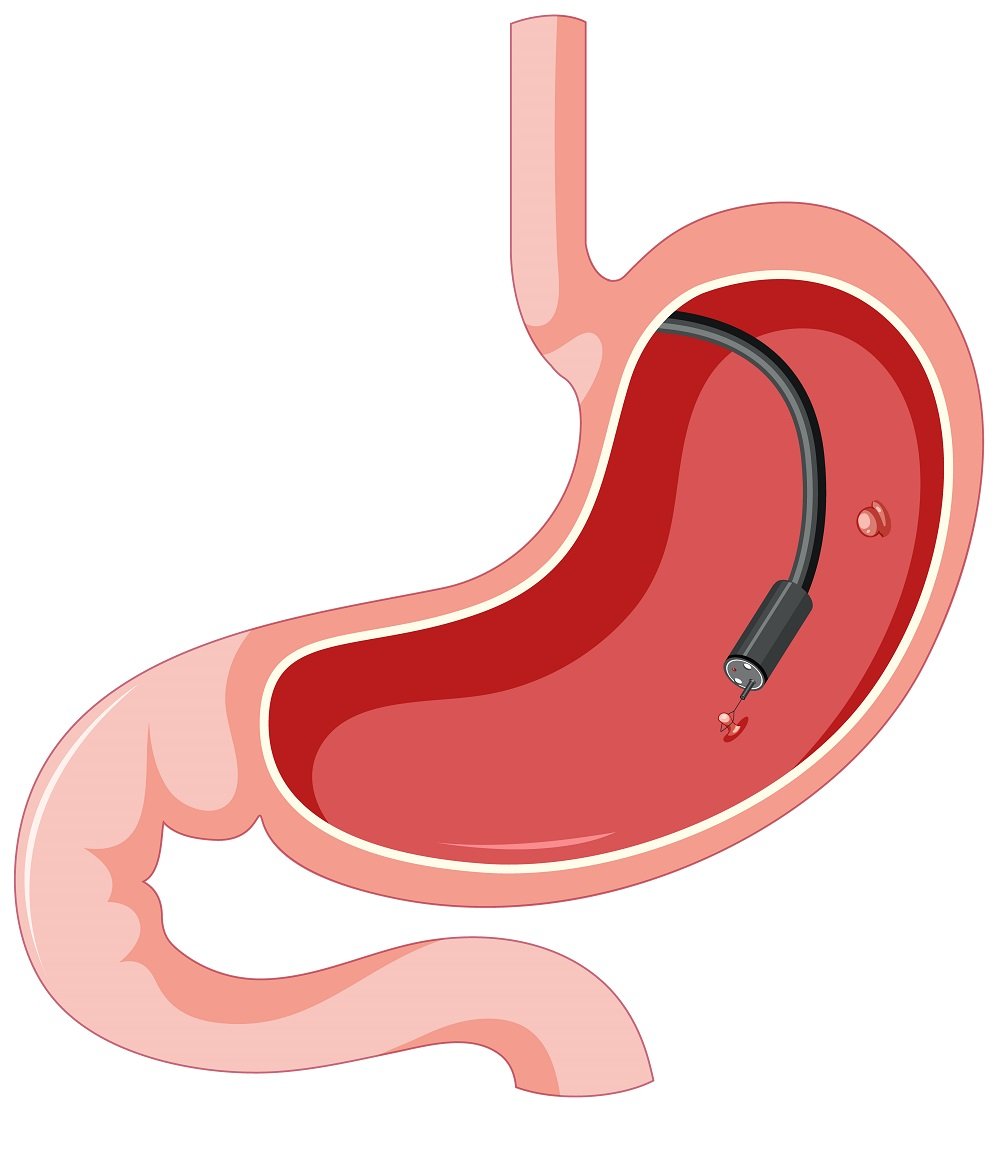
Capsule Endoscopy is a painless diagnostic procedure that uses a small swallowable camera capsule to capture images of the digestive tract, especially the small intestine.
Capsule Endoscopy
Capsule endoscopy is generally:
- Non-invasive
- Painless
- Does not require sedation or anesthesia
- No tubes are inserted into the throat or rectum
Most people swallow the capsule easily, similar to swallowing a large vitamin tablet.
Recovery Time
Recovery is usually immediate.
After the procedure:
- Most patients can resume routine activities the same day
- Eating is usually allowed after a few hours as instructed
- Avoid MRI scans until the capsule has passed
- The recorder is returned to the hospital/clinic later the same day or next day
Are There Any Risks?
Capsule endoscopy is very safe, but rarely:
- The capsule may get stuck in a narrowed intestine (called capsule retention)
This risk is higher in:
- Crohn’s disease
- Intestinal strictures
- Previous abdominal surgeries
- Small bowel tumors
In high-risk patients, doctors may first use a “patency capsule” to check intestinal passage.
When to Contact a Doctor After the Procedure
Seek medical attention if there is:
- Severe abdominal pain
- Vomiting
- Abdominal swelling
- Fever
- Difficulty passing stool
- The capsule not passing for several days
Advantages of Capsule Endoscopy
Benefits:
- Comfortable and painless
- Excellent visualization of the small intestine
- No sedation needed
- Outpatient procedure
- Minimal recovery time
Book Your Appointment Today with Dr. Dipak B.
Take the first step towards better digestive health by booking your appointment with Dr. Dipak B.
Get trusted medical guidance and modern treatment tailored to your needs.