Esophageal Dilatation (Esophageal Dilation)
The esophagus is the tube that carries food from the mouth to the stomach.
Esophageal Dilatation (Esophageal Dilation)
Esophageal dilatation is a procedure used to widen a narrowed food pipe (esophagus) so that swallowing becomes easier.
It is commonly performed during an upper GI endoscopy using special balloons or dilators.
What is the Esophagus?
The esophagus is the tube that carries food from the mouth to the stomach.
Sometimes it becomes narrowed (stricture) due to inflammation, scarring, tumors, or motility disorders, leading to difficulty swallowing.
When is Esophageal Dilatation Required?
Doctors may advise it if a person has:
- Difficulty swallowing (dysphagia)
- Food getting stuck in the chest
- Pain while swallowing
- Recurrent vomiting after eating
- Significant narrowing seen on endoscopy or barium swallow
Common Conditions Requiring Dilatation
Benign (Non-Cancerous) Strictures
- Acid reflux–related strictures
- Post-surgical narrowing
- Radiation-induced strictures
- Caustic injury (acid/chemical ingestion)
- Eosinophilic esophagitis
- Schatzki ring
- Webs in esophagus
Motility Disorders
- Achalasia cardia
Malignant Causes
- Esophageal cancer causing obstruction
How is the Procedure Done?
Before the Procedure
The patient is usually advised:
- Fasting for 6–8 hours
- Blood investigations if needed
- Review of blood thinners/medications
Types of Dilatation
1. Balloon Dilatation
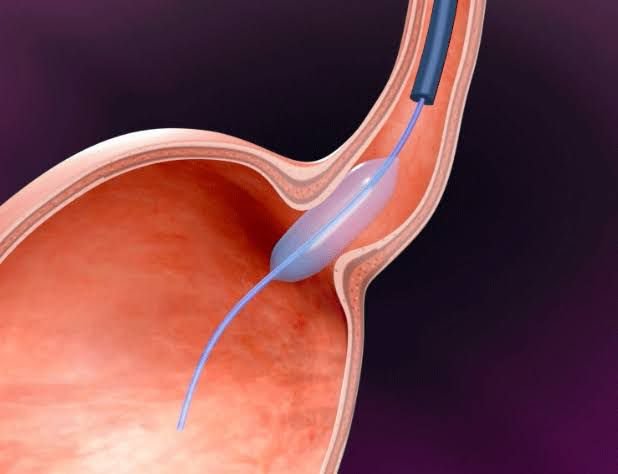
A special balloon is passed through the endoscope and inflated at the narrowed area.
Commonly used for:
- Benign strictures
- Achalasia
- Post-surgical narrowing
2. Bougie Dilatation
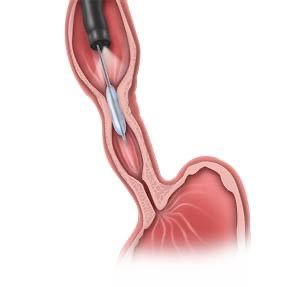
Tube-like dilators of increasing size are passed to widen the esophagus gradually.
Is the Procedure Painful?
Usually no major pain occurs because:
- Sedation is commonly given
- The procedure lasts only 15–30 minutes
After the procedure, mild symptoms may occur for 1–2 days:
- Throat discomfort
- Chest soreness
- Bloating
Recovery After Dilatation
Most patients:
- Go home the same day
- Start liquids first
- Progress gradually to a soft diet
Doctors may advise:
- Acid suppression medicines
- Dietary precautions
- Repeat sessions if narrowing recurs
How Many Sessions are Needed?
Depends on the cause:
- Some need only one session
- Tight or recurrent strictures may require multiple dilatations
Conditions like:
- Corrosive strictures
- Eosinophilic esophagitis
- Radiation strictures
often need repeat treatment.
Benefits of Esophageal Dilatation
- Improves swallowing
- Reduces food impaction
- Helps maintain nutrition
- Improves quality of life
Risks & Complications
The procedure is generally safe, but possible complications include:
- Bleeding
- Chest pain
- Infection
- Perforation (tear in esophagus) — rare but serious
- Recurrence of narrowing
Seek Urgent Medical Care If You Have:
- Severe chest pain
- Fever
- Breathing difficulty
- Vomiting blood
- Inability to swallow saliva
Special Situation: Achalasia
In achalasia, pneumatic balloon dilatation is used to stretch the tight lower esophageal sphincter.
This helps food pass more easily into the stomach.
Who Should Avoid or Delay Dilatation?
The procedure may be postponed in:
- Unstable heart/lung disease
- Active perforation
- Severe infection
- Uncontrolled bleeding disorders
Important Follow-up
Even after successful dilatation, the underlying cause must be treated:
- GERD: Acid suppression treatment
- Eosinophilic esophagitis: Allergy/inflammation treatment
- Cancer: Oncology evaluation
- Achalasia: Long-term follow-up
Book Your Appointment Today with Dr. Dipak B.
Take the first step towards better digestive health by booking your appointment with Dr. Dipak B.
Get trusted medical guidance and modern treatment tailored to your needs.