Low Hemoglobin: A Silent Alarm You Shouldn’t Ignore
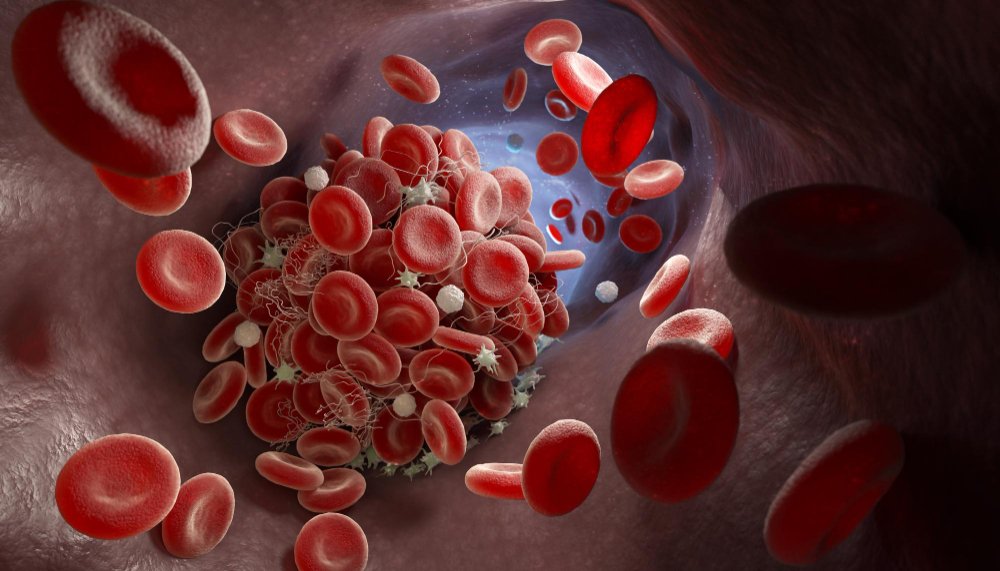
Most people think low hemoglobin means “weakness due to less iron.” They quickly reach for iron tablets, home remedies, or dietary fixes. But the truth is, low hemoglobin (Hb) is not just a nutritional issue. It can be a warning sign of something more serious, like hidden bleeding inside the stomach or intestine, or even diseases like cancer or inflammatory bowel disease (IBD).
.webp)
A Story That Could Be Anyone’s
Mrs. Meena, a 52-year-old homemaker, visited her doctor with complaints of tiredness and mild breathlessness. She thought it was “just age catching up.” Blood tests showed her hemoglobin was only 8 g/dl. Initially, she was advised to take iron supplements, but her doctor insisted on further tests.
A colonoscopy revealed a small cancer in her large intestine. Fortunately, it was detected early, treated successfully, and she is now living a healthy life.
- This story shows why every case of low Hb needs proper evaluation—not just tablets.
Why Hemoglobin Drops?
.webp)
Hemoglobin is the oxygen-carrying protein in our blood. When it falls:
- The body feels weak and tired.
• The heart and brain don’t get enough oxygen.
• Long-term low Hb can damage multiple organs.
Common reasons for low Hb:
- Nutritional deficiency – Low iron, vitamin B12, or folic acid.
2. Blood loss inside the body – Often from the gastrointestinal (GI) tract.
3. Chronic diseases – Kidney disease, liver disease, thyroid problems.
4. Bone marrow problems – Rare but serious causes.
The Hidden Culprit: GI Blood Loss
.webp)
The stomach and intestine can bleed silently without visible signs.
Conditions that cause hidden blood loss:
• Stomach or duodenal ulcers
• Polyps or growths in the intestine
• Cancers of the stomach or colon
• Inflammatory bowel disease (Crohn’s, Ulcerative colitis)
• Hemorrhoids or fissures
Even small amounts of daily blood loss can make Hb fall dangerously over months.
What Tests Should Be Done?
.webp)
If your hemoglobin is low, doctors may suggest:
• Blood tests for iron, B12, folate
• Stool test for hidden blood
• Endoscopy/colonoscopy – to directly see ulcers, tumors, or bleeding spots
• Imaging (CT scans, etc.) if needed
-These tests may sound intimidating, but they are life-saving tools that help detect problems at an early stage.
Key Message for Readers
- Low Hb is not normal at any age.
• Don’t just take supplements—find the cause.
• GI diseases, including cancer, can first show up as anemia.
• Early detection saves lives.
- Take action: If your hemoglobin is low, consult a doctor, ask for a proper work-up, and don’t ignore your body’s silent alarms.